Creating a Productive Home Office: Essential Furniture and Layout Tips
Working from home has become the norm for many UK professionals. Creating a dedicated, productive home office requires more than just a desk and chair—it demands thoughtful planning and appropriate furniture choices.
Dedicate a Specific Space
First, establish a designated work area separate from living spaces. Even a corner of a bedroom or spare room works if you have a door to close. This psychological separation helps your brain switch into work mode and prevents home distractions from affecting productivity. Your family will also understand that when you're in this space, you're working.
Invest in a Quality Chair
Your office chair is crucial. You'll spend 6-8 hours daily sitting in it, so cheap, uncomfortable seating will impact your health and work quality. Look for chairs with lumbar support, adjustable height, and breathable fabric. A good ergonomic chair prevents back pain and keeps you comfortable throughout long work sessions.
Proper Desk Setup
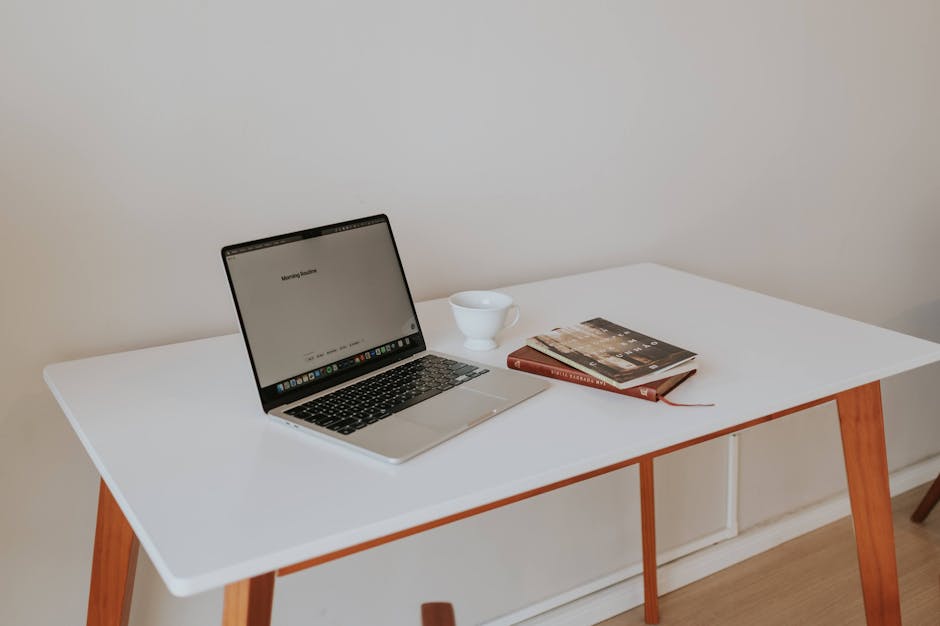
Your desk should be at elbow height when sitting, with your monitor at eye level approximately 50-70cm away. This prevents neck strain and eye fatigue. Ensure adequate surface space for your computer, notebook, and essential items. Avoid cluttering your desk with unnecessary objects—a tidy workspace promotes focus.
Storage Solutions
Effective storage keeps your workspace organised and professional-looking. Filing cabinets, shelving units, and desk organisers contain paperwork and supplies. When clients or colleagues visit via video call, they see a tidy, professional background rather than chaos.
Lighting Considerations
Natural light boosts mood and productivity, so position your desk near a window if possible. Supplement with a desk lamp for evening work or cloudy days. Proper lighting reduces eye strain and the headaches associated with poor visibility.
Minimise Distractions
Position your desk facing a blank wall rather than a window or TV. Keep your phone in another room during focused work periods. Use noise-cancelling headphones if household sounds distract you. Many home workers find background music or white noise helpful for concentration.
Ergonomic Accessories
Consider a monitor stand, keyboard tray, or footrest to optimise your setup. These relatively inexpensive additions significantly improve comfort and reduce strain injuries. A desk pad protects your surface and defines your workspace.
Separate Work and Home Life
Crucially, establish boundaries. Close your office door at the end of the workday. Don't work from your sofa or bed—this blurs the lines between work and relaxation. A dedicated space helps maintain work-life balance, essential for mental health and long-term productivity.
Creating a proper home office requires initial investment, but the benefits in comfort, productivity, and professional image justify the expense.